HUH-7 Cell Line: A Versatile Model for Hepatocellular Carcinoma and Virology Research
HUH-7 is a human hepatocellular carcinoma (HCC) cell line derived from a liver tumor in a 57-year-old Japanese male. It is one of the most widely used hepatic cell lines in cancer biology and liver disease research due to its differentiated morphology, stable growth characteristics, and permissiveness to viral infection.
HUH-7 cells grow as adherent monolayers with epithelial morphology and retain many hepatic functions, including the expression of liver-specific proteins such as albumin, alpha-fetoprotein (AFP), transferrin, and various coagulation factors. Although their cytochrome P450 enzyme expression is limited compared to primary hepatocytes, HUH-7 cells support moderate drug-metabolizing activity and are commonly used in hepatotoxicity studies.
A defining feature of the HUH-7 line is its exceptional susceptibility to hepatitis C virus (HCV) and hepatitis B virus (HBV) infection. Subclones like HUH-7.5, which possess impaired RIG-I signaling, show enhanced viral replication, making them a key system for antiviral drug screening and host-pathogen interaction studies.
In oncology, HUH-7 is utilized to investigate the molecular mechanisms of hepatocarcinogenesis, including oncogene function, cell signaling pathways, and chemotherapeutic resistance. The cell line is highly amenable to genetic manipulation, including plasmid transfection, RNA interference, and CRISPR-based editing. HUH-7 also forms tumors in immunodeficient mice, making it suitable for xenograft studies.
In summary, HUH-7 is a robust and versatile cell line that serves as a critical in vitro model for studying liver cancer, hepatic metabolism, and viral hepatitis. Its broad utility across virology, toxicology, and cancer research has established HUH-7 as a foundational tool in liver-related biomedical research.
successful gene modulation in HUH-7 hepatocellular carcinoma cells using Altogen Biosystems’ transfection reagents (Catalog #1775, #1776, #1777). The blot assesses GAPDH protein levels under three experimental conditions: siRNA-mediated knockdown, non-treated control, and plasmid-driven overexpression. A visible reduction in the GAPDH band following siRNA transfection, and enhanced signal with DNA expression, confirms the functional delivery of both silencing and overexpression constructs.
This experimental validation supports the application of Altogen reagents for gene function studies in liver cancer research. Reliable delivery of both siRNA and plasmid DNA enables pathway analysis, therapeutic target validation, and mechanistic investigations of gene regulation in HUH-7 cells. These tools are essential for researchers conducting RNAi screening, oncogene modulation, or drug sensitivity studies in hepatocellular carcinoma models.
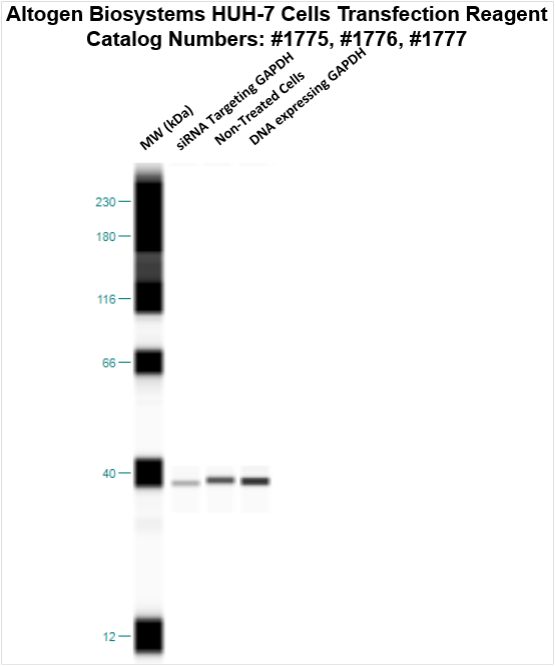
Protein expression of GAPDH in HUH-7 cells. DNA plasmid expressing GAPDH or siRNA targeting GAPDH were transfected into HUH-7 cells following Altogen Biosystems transfection protocol. At 72 hours post-transfection the cells were analyzed by Western Blot for protein expression levels (normalized by total protein, 10 µg of total protein loaded per each well). Untreated cells used as a negative control.